




Redakcja
Nowa
Młodzieżowa Rada Miasta mówi „stop ...
18
kwi
2024
Więcej
Przejdź do menu głównego.
Przejdź do treści.
Przejdź do wyszukiwarki.
Uruchom wysoki kontrast.
Uruchom wersję tekstową.
Skróty klawiszowe:
Strona wykorzystuje pliki cookies.
Dowiedz się więcej...



Wysoki kontrast.
Wysoki kontrast.
Oficjalna strona internetowa Urzędu Miejskiego w Zawierciu. Strona wyposażona w automatycznego lektora treści. Usługa lektora dostępna jest z poziomu poszczególnych podstron.
Wersja dla niesłyszących.

 Ruins of the king’s castle in Bobolice built by Casimir the Great. The castle was ruined during Polish-Swedish wars in the 18th century. According to country tradition this castle was said to have been connected through underground corridor with the Mirów castle and the “Ogorzelnik” one, being 2 km away from it.
Mirów – ruins of the castle
 Ruins of Gothic castle having two planes, which belonged to knights from Koziegłów- “Lio”armorial bearings and since 1489 to the Myszkowskichs’ family, overlook the village. Two-kilometre high rock dike, built of peak and rock ridges ended in ruins of the Bobolice castle, rises behind the castle. Completely wooded “Mirowska” Mountain (the “Bukowa” Mountain”, 422 m above sea level.), situated south of the rock ridge, is seen in distance of 1,5 km. The “Szczelina Piętrowa” cave was found there in 1967 and it is one of the longest, deepest and the most difficult underground complexes to be surmounted on Jura.
Ruins of the “Ogrodzieniec” castle in Podzamcze
 Monumental ruins of one of the biggest and the most beautiful castles in Poland overlook the highest castle hill on the Cracow-Częstochowa Upland. The castle is surrounded by picturesque limestone rocks and island mountains. Far-reaching view over neighbourhood area spreads from the tower.
Podlesice
 Many rocks are centred around Podlesice. Those are: the “Rzędkowickie” Rocks, the “Kroczyckie” Rocks including the “Zborów” Mountain, which together with neighbouring “Kołoczyk” Range constitute inanimate nature reservation as well as the “Podlesickie” Rocks. The “Podlesickie” Rocks are situated south of the”Kroczyckie” Rocks and east of the”Rzędkowickie” Rocks.
The “Rzędkowickie” Rocks
 Rock range called the “Rzędkowickie” Rocks together with the “Rzędkowicki Okiennik”, having the longest rock window situated near the top and branched to ramification, runs east of the village. The “Rzędkowickie” Rocks have got uncommon shape of rock dike, one of the biggest and the most beautiful one on the Cracow Upland. It is one of many places on Jura perfect for practicing rock climbing.
“Okiennik Wielki” (Big one)
 “Okiennik Wielki” (Big one)- as a matter of fact is situated on grounds of the Piaseczno village, but it is commonly called the “Skarżycki Okiennik”. About seven-metre long tunnel of 5 m. bore pierces “Okiennik” near the summit. Its name just derives from that rock window. A beautiful far-reaching view over neighbourhood area spreads from the top of “Okiennik”
Redakcja
Nowa
18
kwi
2024
Więcej

Redakcja
Nowa
16
kwi
2024
Więcej
Redakcja
Nowa
16
kwi
2024
Więcej

Redakcja
Nowa
15
kwi
2024
Więcej

Redakcja
Nowa
11
kwi
2024
Więcej

Redakcja
Nowa
9
kwi
2024
Więcej

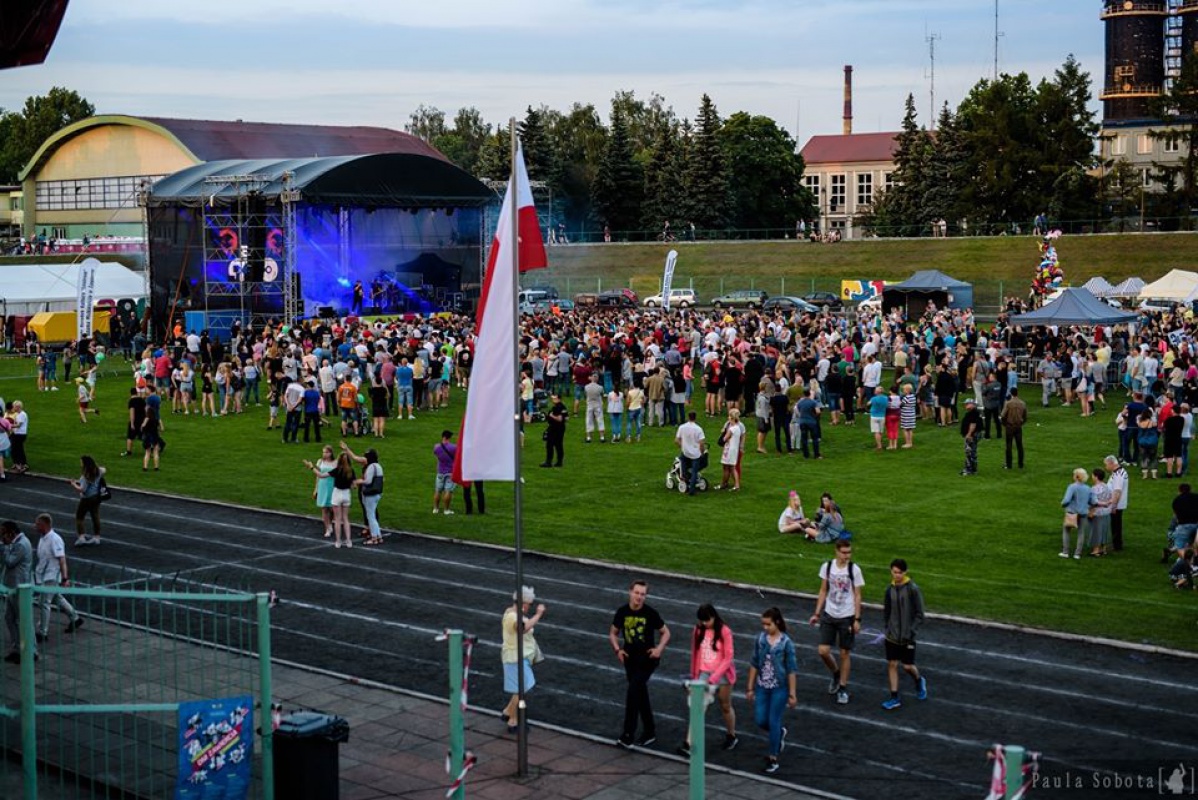
Dni Zawiercia 2019
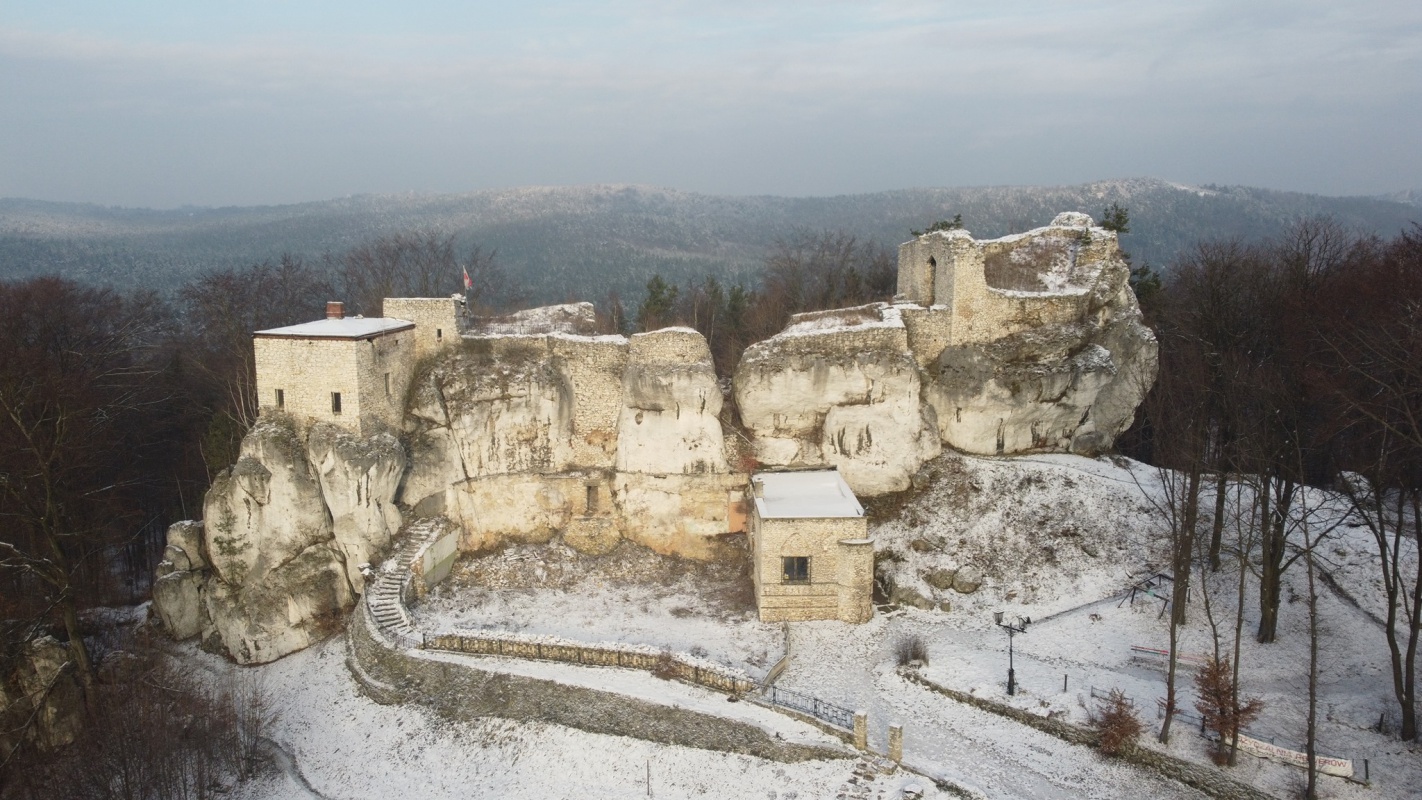
Zamek Bąkowiec w Skarżycach
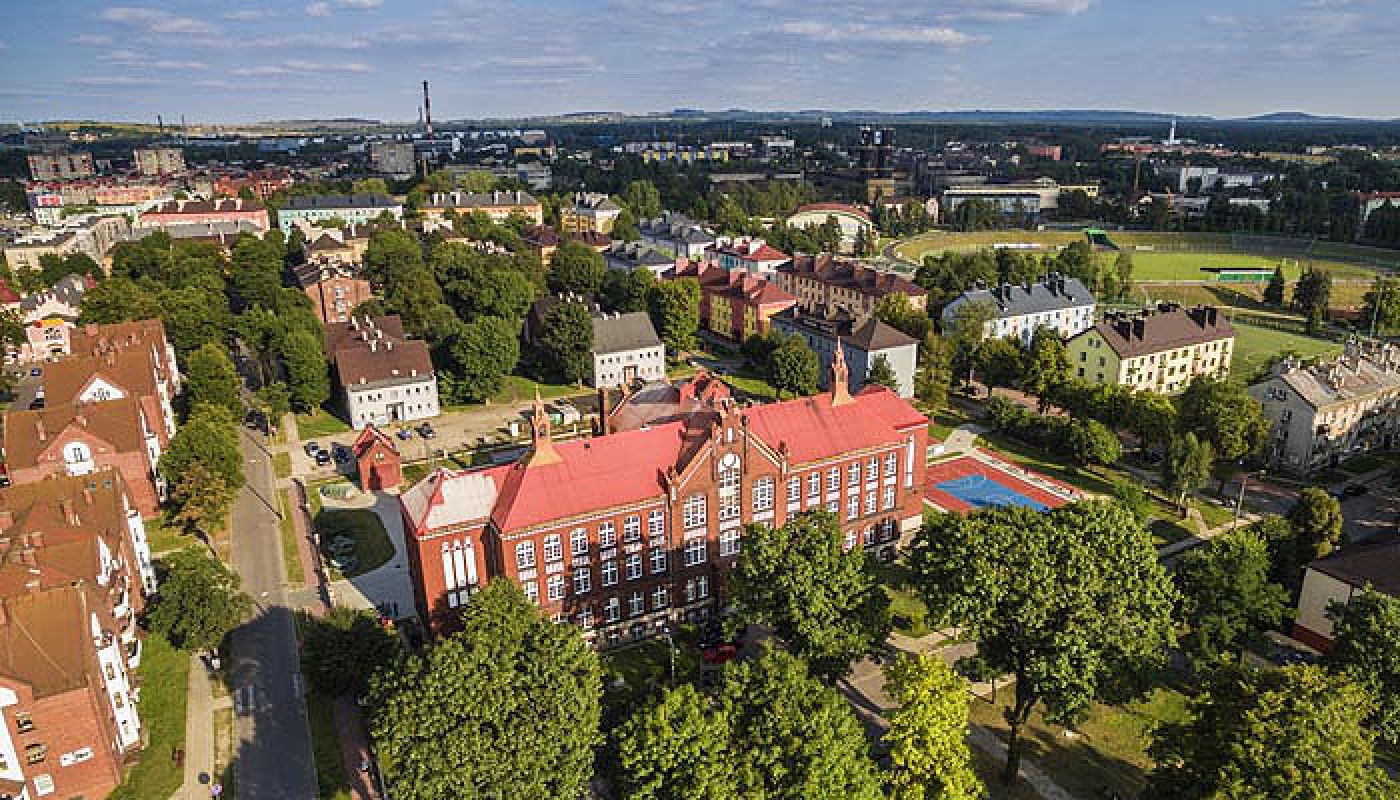
Szkoła Podstawowa nr 2
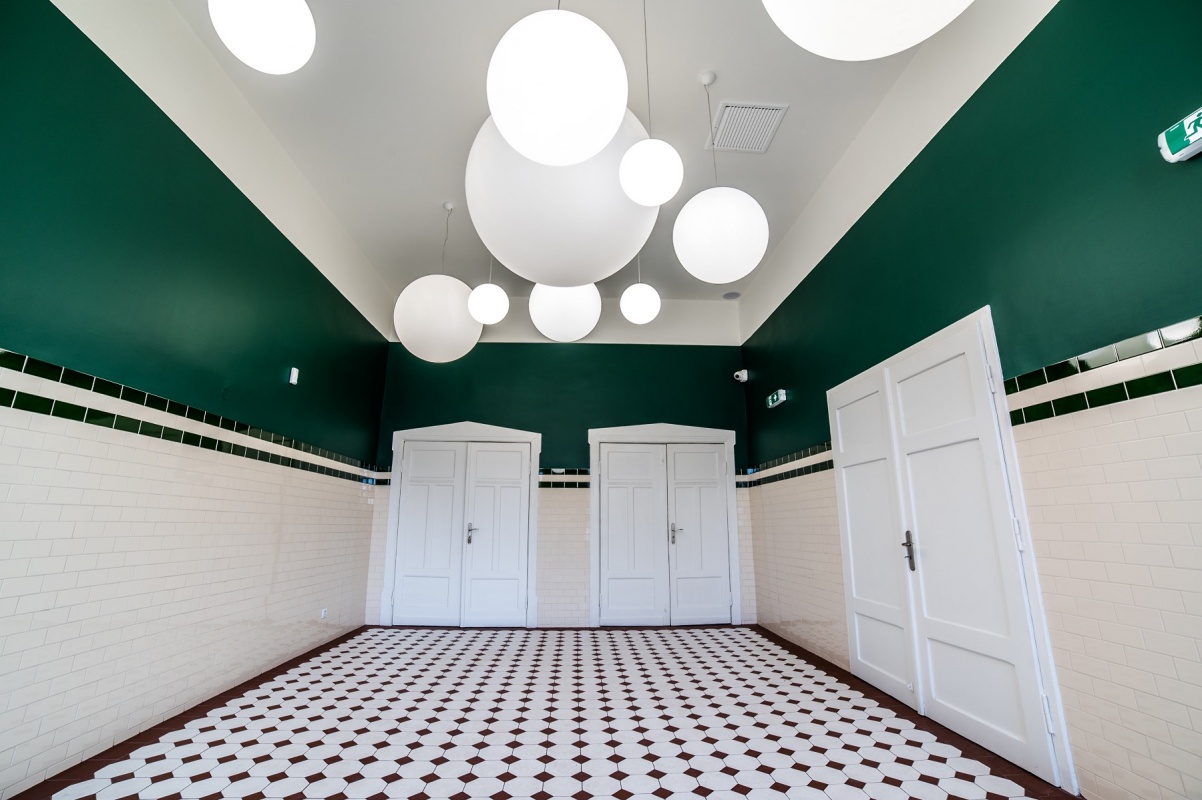
Galeria Stara Łaźnia
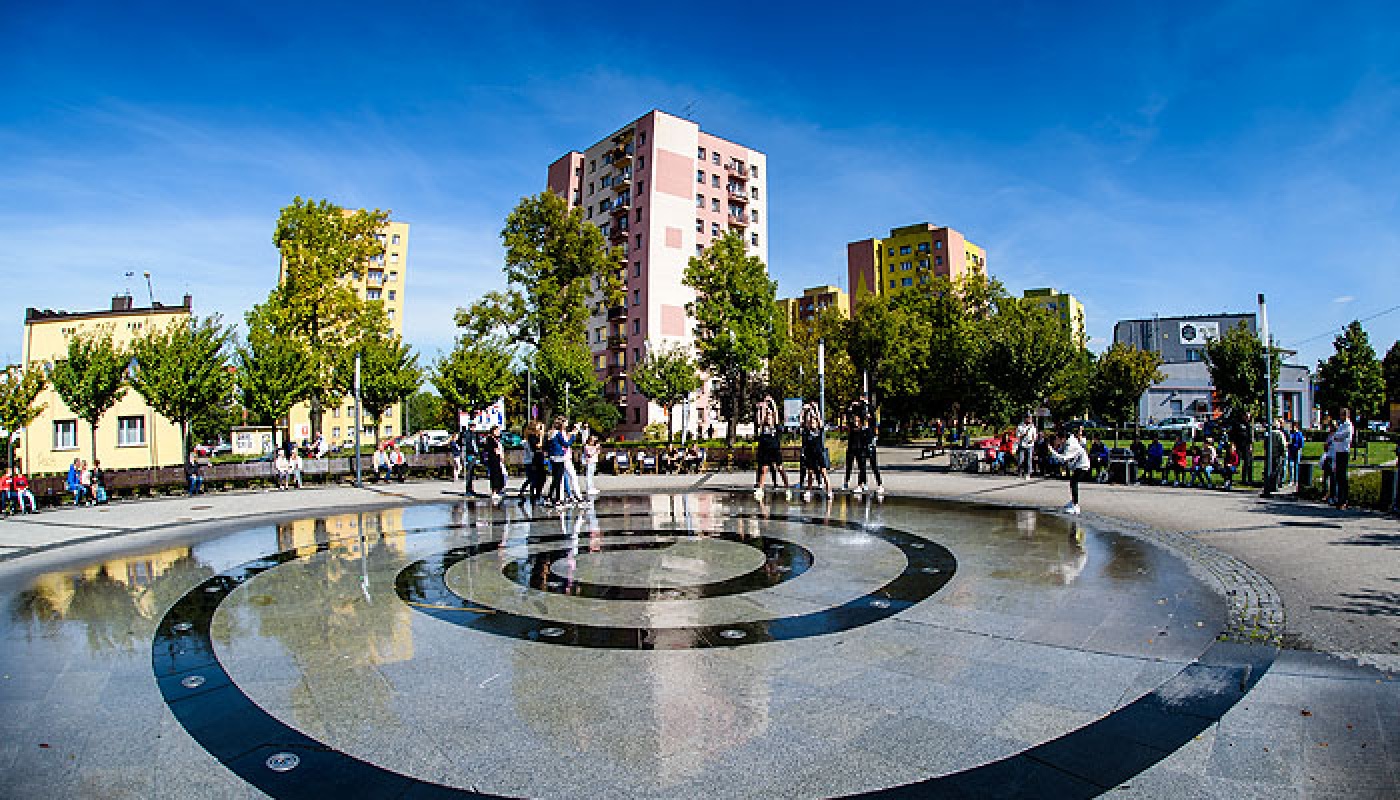
Plac im. Św. Jana Pawła II
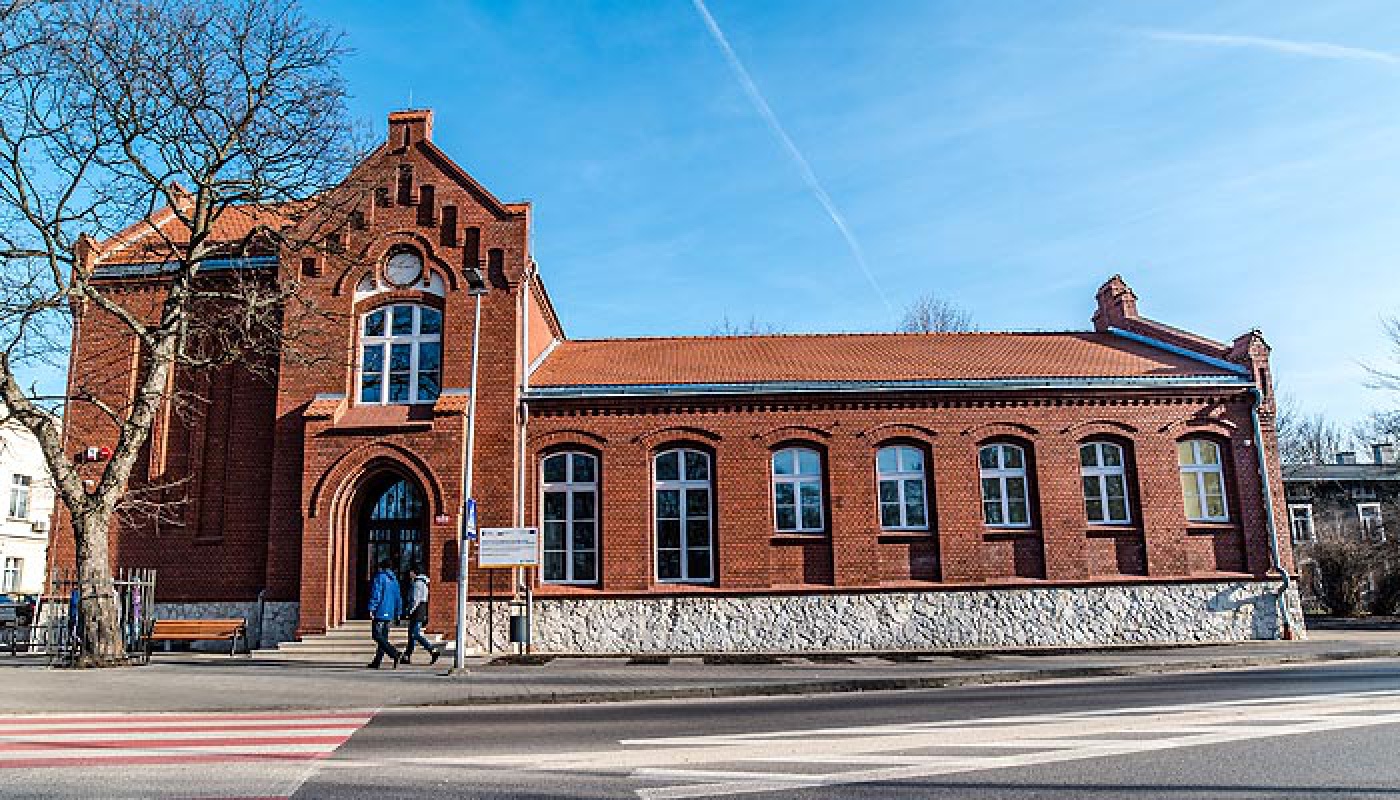
Galeria Stara Łaźnia
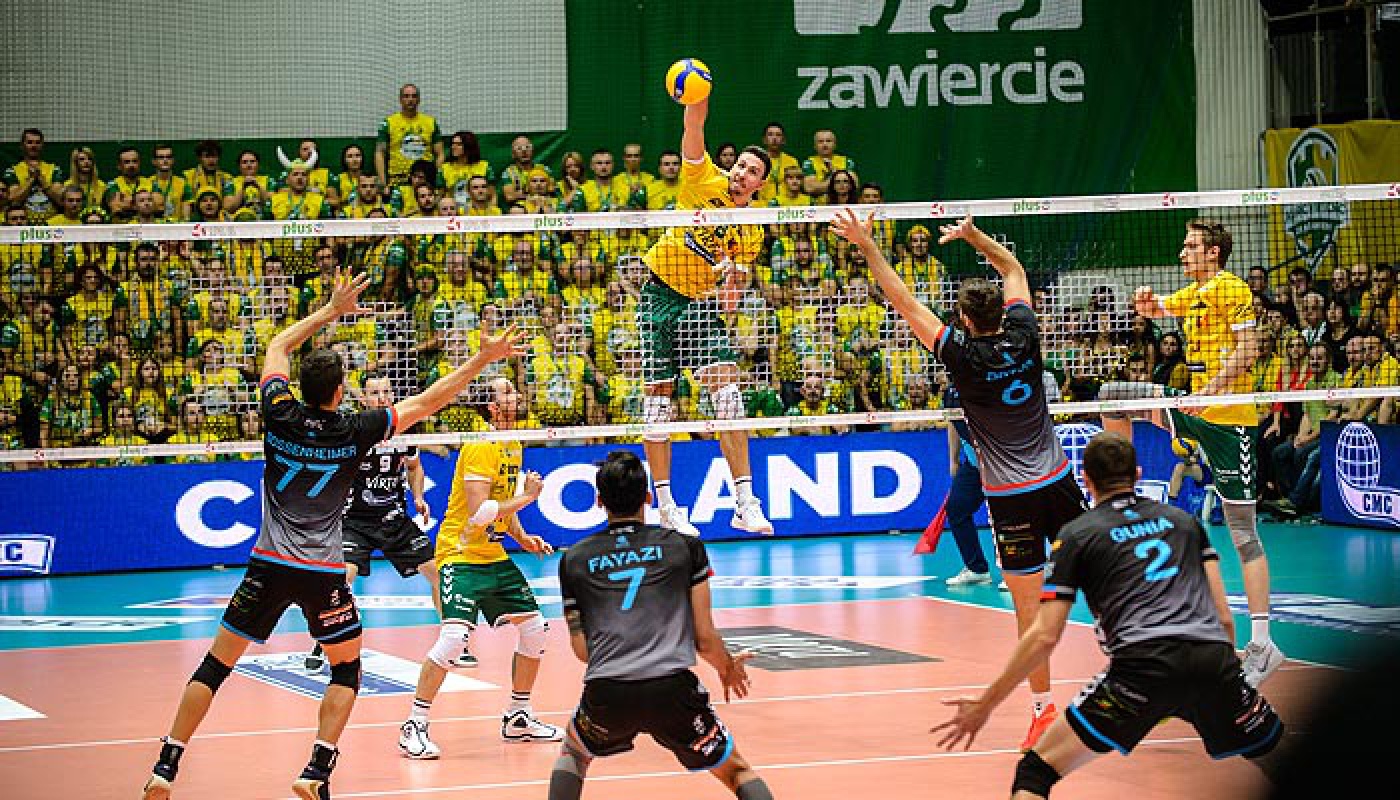
Mecz Plusligi
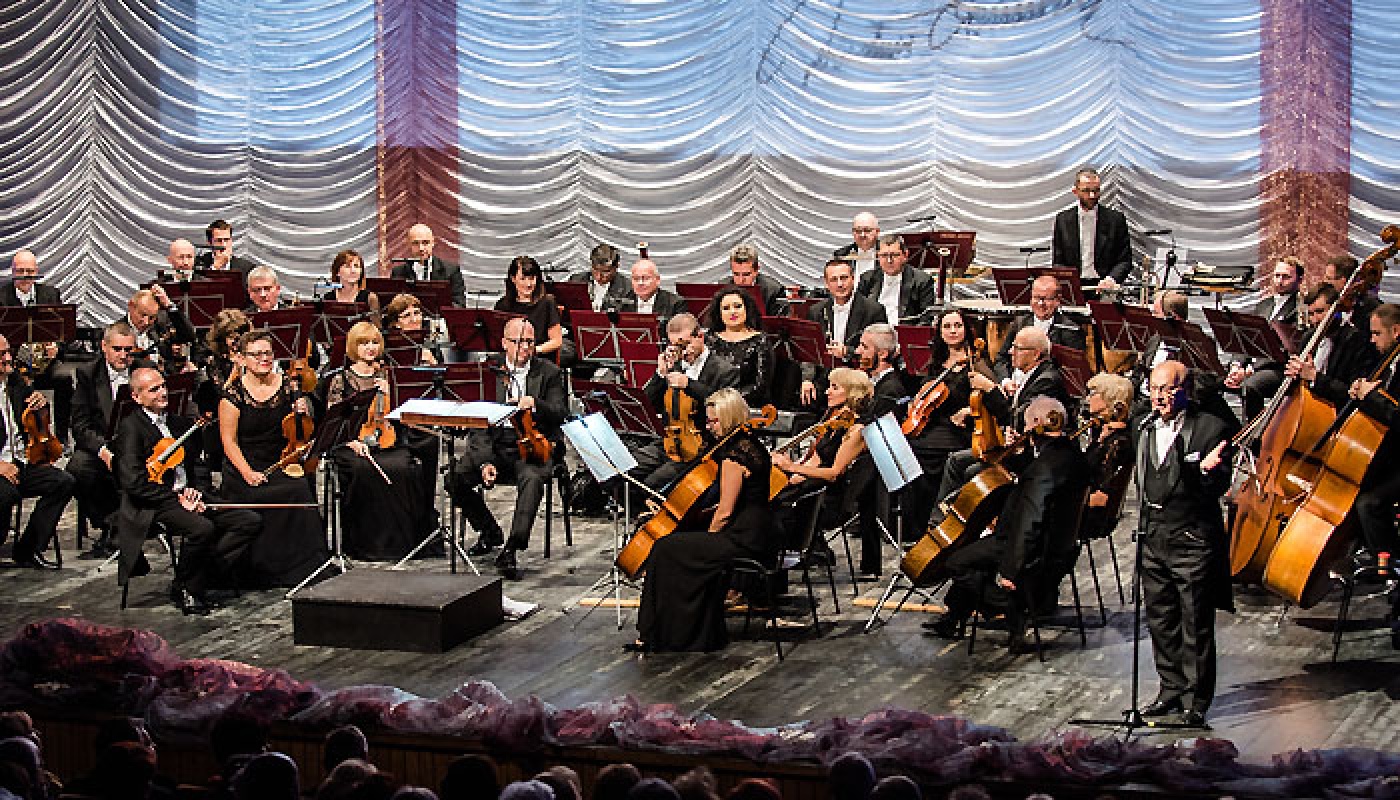
Festiwal Wiesława Ochmana
Przewiń stronę na samą górę.
Wyszukaj na stronie
Twoja przeglądarka internetowa, bądź system operacyjny, nie wspierają lektora w polskiej wersji językowej.